




Avoid a DUI Conviction During Football Season
 Football is a much beloved sport in
Texas, but many people drink and drive
during football season and police know
it. Studies have shown that the number
of arrests for alcohol offenses
increases during football season. It is
routine for Texas law enforcement
officers to be aware of big game days,
especially Super Bowl Sunday, and to
increase enforcement in order to catch
people who may be driving while
intoxicated.
Football is a much beloved sport in
Texas, but many people drink and drive
during football season and police know
it. Studies have shown that the number
of arrests for alcohol offenses
increases during football season. It is
routine for Texas law enforcement
officers to be aware of big game days,
especially Super Bowl Sunday, and to
increase enforcement in order to catch
people who may be driving while
intoxicated.
An arrest for drunk driving during football season can significantly impact your future. It is important to consult with a DUI defense lawyer if you are charged with violating drunk driving laws so you can have the best opportunity to negotiate a plea deal or defend yourself against the charges.
Drunk Driving Arrests Increase During Football Season
The U.S. National Library of Medicine from the National Institutes of Health published a study on the impact football season has on arrests for alcohol-related crimes. To conduct the study, researchers looked at a period of 30 days, including 10 game days, 10 “control” days and holidays. The researchers studied arrest records on those days in areas where there were Division 1 football teams that were performing well.
Over the study period, there were a total of 944 arrests for alcohol-related crimes, including driving while impaired by alcohol. A significantly number of these arrests occurred on game days. In fact, on Sundays when football games were played, there were 70.3 arrests on average for alcohol-related criminal offenses. On non-game Sundays, which served as the control days, there were an average of 12.3 alcohol-related arrests. On holidays, which also tend to be times when there is a high amount of alcohol-use, there were 11.8 arrests.
Based on this data, researchers were able to conclude that football season made a difference in the number of people arrested. Further evidence of this was found in the fact that arrests that occurred on football days tended to occur closer to the football stadium in general when compared with the arrests that occurred on holidays or on the control group non-football Sundays.
This football season, it is important to remember that the police will be out looking for people who are driving drunk, and that law enforcement officers are especially vigilant for signs of intoxication at the times when football games end and people drive home. Whether you are attending professional or college games or simply going to a friend's house to watch the game, you should ensure you have a designated driver in place to take you home before you begin to consume alcoholic beverages.
If you are pulled over and accused of intoxicated driving during football season, you need to know your rights. Police must have reasonable justification for stopping your vehicle and for requesting you to submit to a test of your blood-alcohol concentration. An experienced attorney can help defend your rights as we fight to keep a criminal conviction off your record.
Call Joseph LaBella & Associates today at 800-395-5951 to speak with a Houston DUI defense lawyer.
 In a drunk driving trial or other
criminal case, expert witnesses may
testify for the prosecution or for the
defense. For example, you may present
expert witnesses who will testify about
problems with the sobriety tests, while
prosecutors may present expert testimony
about levels of impairment or accident
reconstruction.
In a drunk driving trial or other
criminal case, expert witnesses may
testify for the prosecution or for the
defense. For example, you may present
expert witnesses who will testify about
problems with the sobriety tests, while
prosecutors may present expert testimony
about levels of impairment or accident
reconstruction.
 More than 1.2 million people were
arrested for driving under the influence
in 2011, according to the
More than 1.2 million people were
arrested for driving under the influence
in 2011, according to the
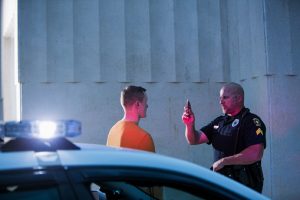 A Texas resident was recently pulled
over for a traffic violation, with some
reports indicating he ran a red light
and other reports indicating he had run
a stop sign. When the driver was pulled
over, field sobriety tests were
administered to determine if he was
impaired. The Austin Police Department
indicates that the Texas man “swayed,”
and “needed his arms for balance,” which
were signs of potential impairment
caused by either alcohol or drugs.
A Texas resident was recently pulled
over for a traffic violation, with some
reports indicating he ran a red light
and other reports indicating he had run
a stop sign. When the driver was pulled
over, field sobriety tests were
administered to determine if he was
impaired. The Austin Police Department
indicates that the Texas man “swayed,”
and “needed his arms for balance,” which
were signs of potential impairment
caused by either alcohol or drugs.
 The Texas appellate court recently
reviewed trial court proceedings that
had resulted in the conviction of an
alleged drunk driver. The defendant was
convicted of a misdemeanor offense and
was given a suspended sentence of 180
days in jail and a $500 fine. The
defendant appealed and argued that the
trial court judge was biased yet refused
a request for recusal. The appeal also
argued that the trial court abused its
discretion by denying challenges for
cause against several jury members.
The Texas appellate court recently
reviewed trial court proceedings that
had resulted in the conviction of an
alleged drunk driver. The defendant was
convicted of a misdemeanor offense and
was given a suspended sentence of 180
days in jail and a $500 fine. The
defendant appealed and argued that the
trial court judge was biased yet refused
a request for recusal. The appeal also
argued that the trial court abused its
discretion by denying challenges for
cause against several jury members.
 Certain drug crimes are illegal under
both state and federal law and if you
break the laws on controlled substances,
you could find yourself in federal
court. Many federal drug offenses carry
minimum sentences as a result of a wave
of “tough-on-crime” laws passed during
the 1980's and these minimum sentences
can result in lengthy terms of
incarceration.
Certain drug crimes are illegal under
both state and federal law and if you
break the laws on controlled substances,
you could find yourself in federal
court. Many federal drug offenses carry
minimum sentences as a result of a wave
of “tough-on-crime” laws passed during
the 1980's and these minimum sentences
can result in lengthy terms of
incarceration.

 Any
Any